After 16 years of SCUBA diving, it is incredibly easy to get comfortable. My gear feels like a second skin, my muscle memory is practically hardwired, and my setup is second nature. But if there’s one thing the ocean teaches us, it’s that the moment you think you know it all is the exact moment you stop growing.
I recently decided to break out of my comfort zone and take the TDI Sidemount Course with Dauin Tech Divers, the brilliant in-house technical diving department at Atmosphere Resorts & Spa. I’ll admit, I was nervous. Stepping back into the student seat is a humbling experience, but I knew pushing my boundaries would make me a better diver overall.
Spoiler alert: It completely changed the way I look at diving.
So, What Exactly is Sidemount Diving?
If you’ve only ever done recreational diving, you’re likely used to a backmount configuration, where a single tank is strapped directly to a jacket BCD on your back.
Sidemount diving shifts this paradigm. Originally designed by cave explorers navigating impossibly tight, muddy underground passages, this configuration places two completely independent cylinders along your sides, tucked neatly beneath your armpits and parallel to your torso.
I used to think sidemount was strictly reserved for hardcore tech divers in extreme overhead environments, but it turns out I was wrong. This setup can offer massive advantages for any kind of diver.
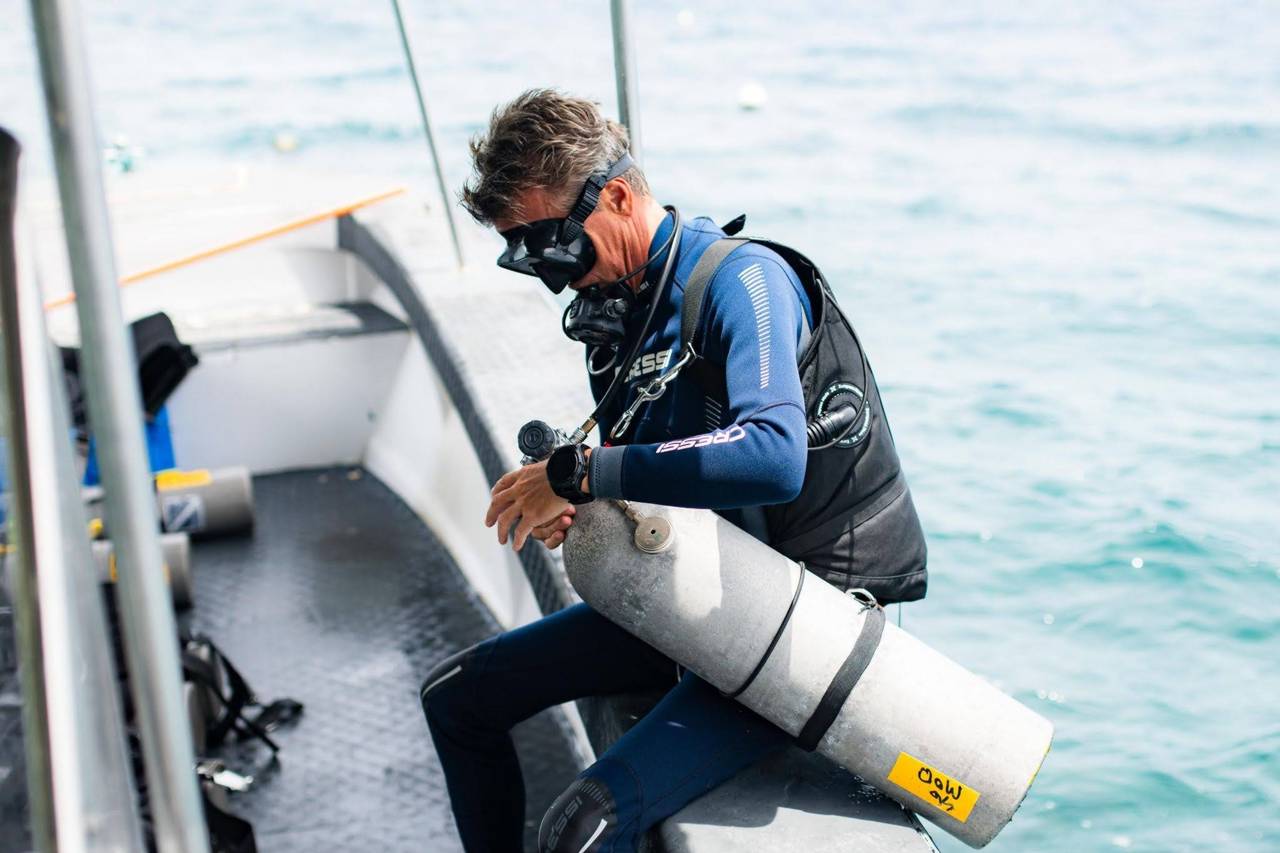
The benefits of having no tank(s) on your back are many. Redundancy, streamlining and comfort are only a few of them.
The Benefits of Switching It Up
- Unmatched Redundancy: You are diving with two entirely isolated gas systems (two tanks, two first stages, two regulators). If one encounters a rare failure, you simply switch to the other. It takes the acute panic out of an emergency if you are properly trained.
- Streamlining & Efficiency: With the cylinders perfectly aligned with your body, your frontal profile shrinks. Less drag means less effort, which frequently translates to better gas efficiency.
- Pure Comfort: Say goodbye to spine pressure and lugging heavy tanks on your back down the beach. You can walk into the water wearing just a lightweight harness, clip your tanks on while floating, and unclip them before you get out.
- Travel-Friendly: You don’t need a specialized twinset manifold. Sidemount works beautifully with standard rental cylinders anywhere in the world.
- The Fun Factor: Honestly? It’s just incredibly fun to keep learning, challenging yourself, and mastering a brand new skill set.
Day 1: Starting down the Slippery Slope
My journey started with some online learning, allowing me to digest the theory at my own pace before the real fun began: the equipment workshop with Naomi, a total star of an instructor at Dauin Tech Divers. She was supportive, encouraging, and the perfect guide to introduce me to what we lovingly call the “slippery slope” of technical diving.
Joining me on the course was Natasha, a PADI Divemaster trainee here at Atmosphere Dive. We spent nearly an entire morning dedicated to configuring our sidemount harnesses. We adjusted, readjusted, and took our time to ensure everything was as close to perfect as possible. Every bungee tightened, every strap pulled, and every D-ring aligned.
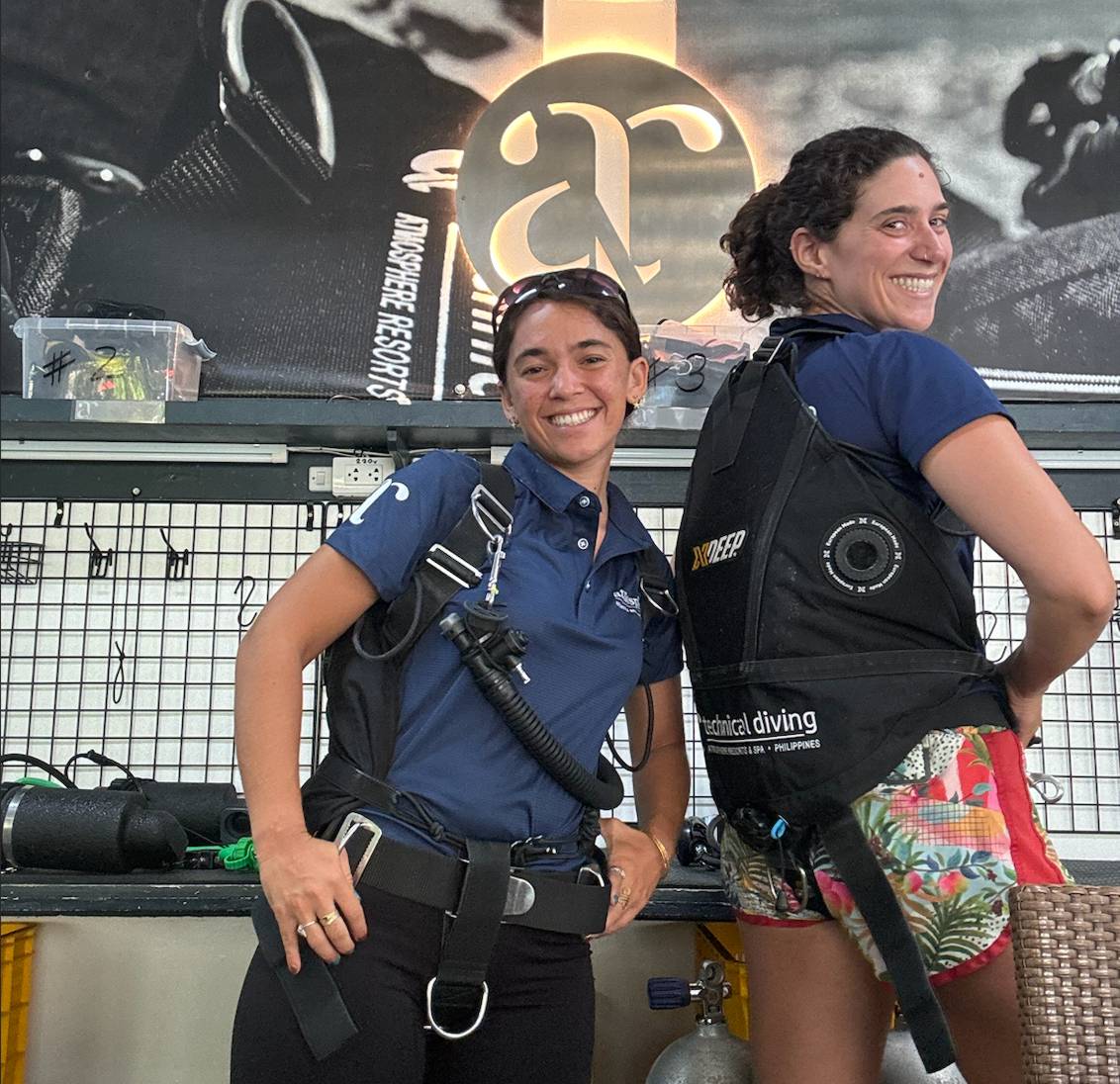
Natasha and I learning to adjust our sidemount harnesses
I quickly learned that in the tech world, a difference of just a few centimeters can completely throw off your trim once you’re in the water. We didn’t rush. There’s no “eh, good enough” in technical diving. You do it right, or you don’t do it.
Finding Our Balance in the Pool
Next up was the confined water session. The pool was all about stripping away other variables to focus purely on practicing buoyancy and trim with two tanks. We did some hovering, regulator switches, and specialized propulsion techniques.
To really drive the point home, we even did part of the training without our fins. Taking off the fins forces you to rely entirely on your core, breath control, and those tiny micromovements and angular adjustments that make all the difference later on when we will glide through the water.
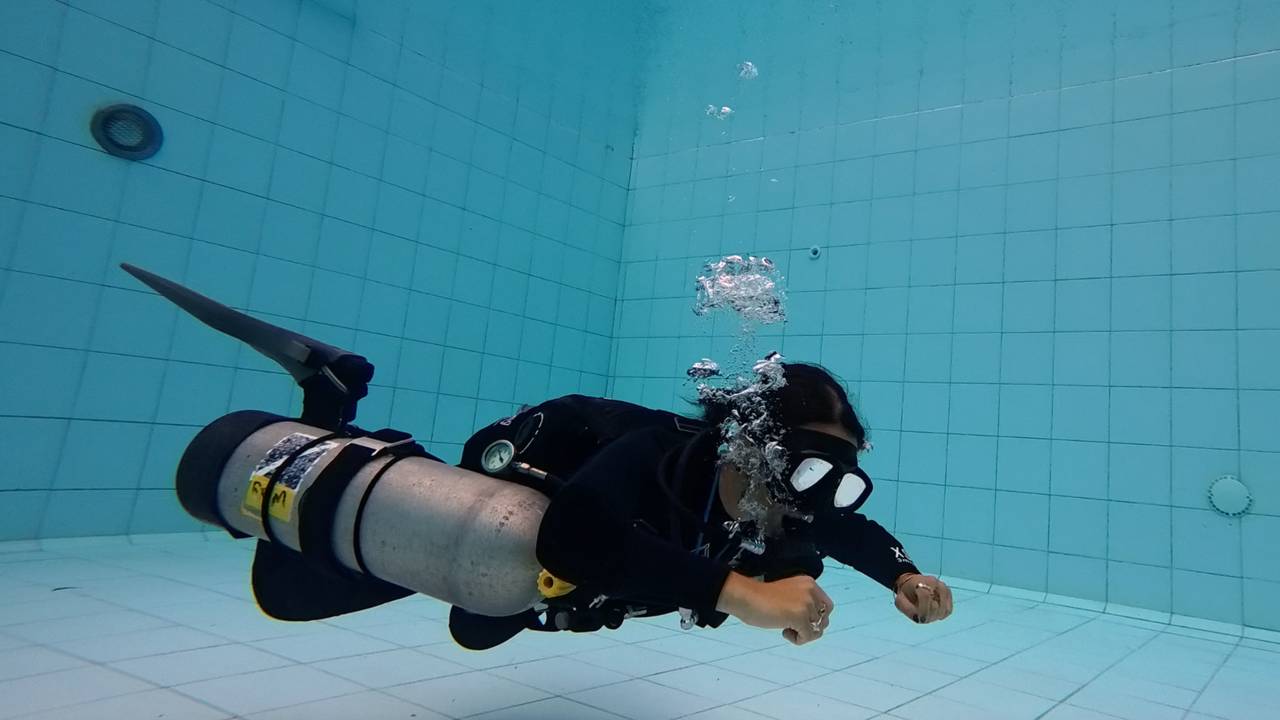
Getting the feel for sidemount in the swimming pool
Heading to the Ocean: The Atmosphere House Reef
For our first open water dive, we stepped onto the stunning Atmosphere house reef. The focus here was executing the foundational safety protocols, starting with Natasha and I completing the S-drill (safety drill). This is a comprehensive check that should happen at the start of every dive: verifying both tanks are fully open, checking for bubbles, and ensuring the long hose is clear and ready to deploy if a buddy needs gas.
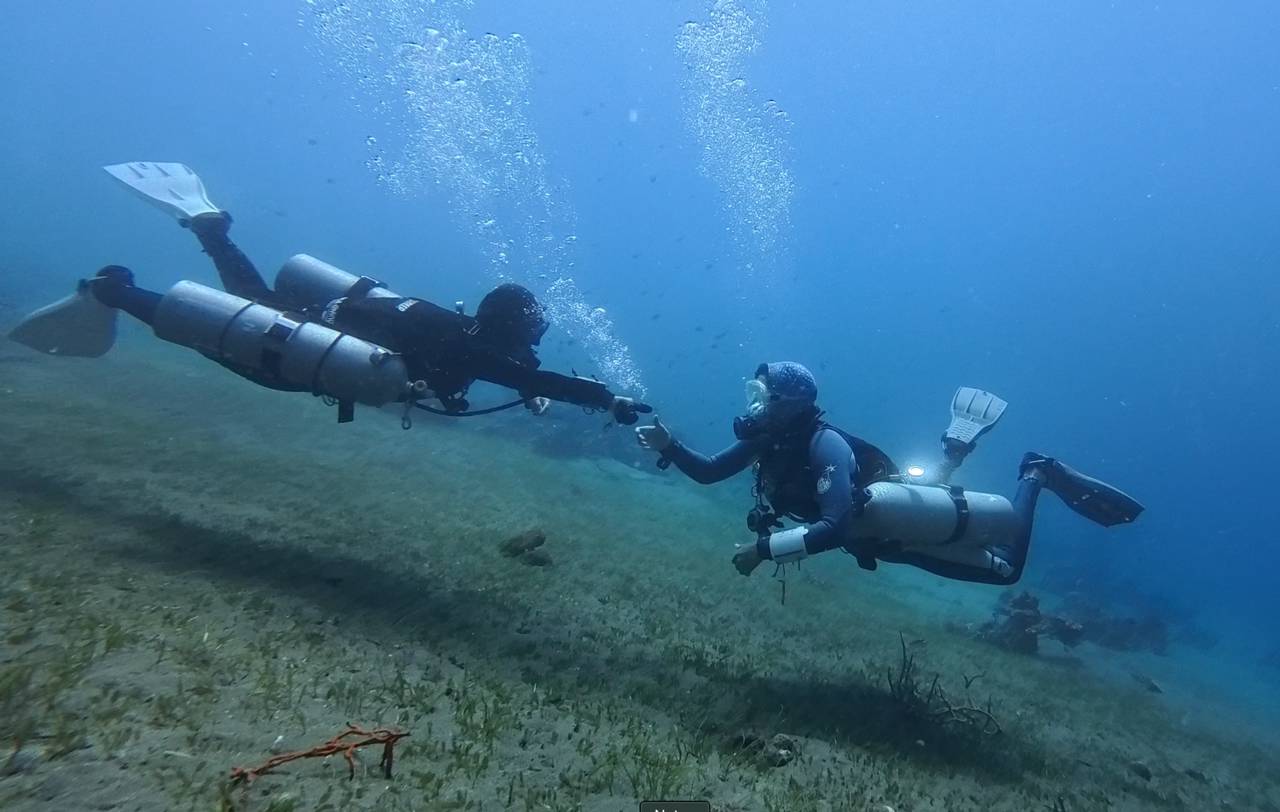
Natasha and I practicing out-of-gas drills on Atmosphere House Reef
We practiced valve drills, simulating what to do if a regulator or first stage fails. Because of the built-in redundancy of the sidemount setup, identifying and shutting down a malfunctioning valve isn’t an immediate crisis, rather a manageable procedure. This was a massive mental shift from the single tank protocols I’ve been teaching my own students for years.
Surprisingly, our first dive clocked in at over 90 minutes, but I was so focused on the drills that the time flew by! Having two tanks naturally grants an extended bottom time, which is an absolute dream for underwater photographers and marine scientists looking to spend quality time documenting the reef.
The Video Debrief (and the Bloopers)
An invaluable element of training with Dauin Tech Divers happened after we dried off. We headed into the dedicated tech classroom to review video footage that Naomi had captured of us completing every single skill.
There is nothing quite like seeing yourself from an objective angle to realize exactly where your trim is off or where a step in a specific skill was missed. It takes training, and more importantly improvement, to the next level. It helped me understand my own diving habits in a way I never had before. Plus, it was highly entertaining to watch the bloopers from those inevitable “low on brains” moments underwater!
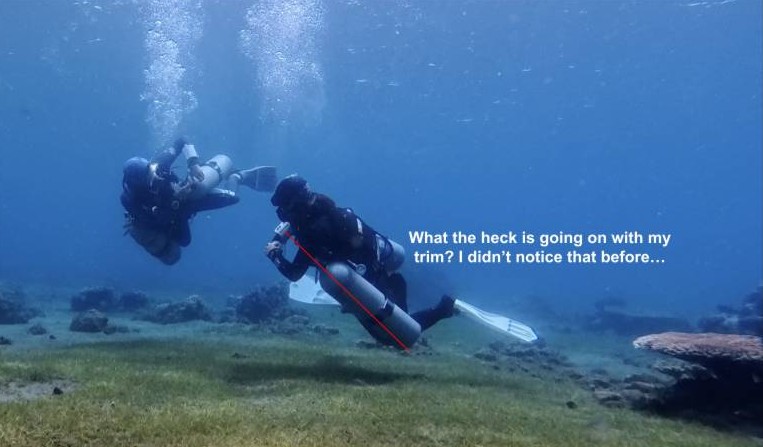
Reviewing footage of the dive helped me pinpoint what I need to improve on
Boat Entries and Deepening the Muscle Memory
On our final open water dive, we switched things up and practiced gearing up from a boat instead of a shore entry. Being on the shorter side myself and definitely not a competitive powerlifter, I’ll admit I struggle a bit more with the logistics of managing gear on a moving deck.
But the Atmosphere boat crew was absolutely incredible. Their seamless support meant I could focus entirely on executing the entry and the skills, rather than feeling overwhelmed by the weight of the tanks.
Back underwater, we repeated the scenarios: out-of-gas drills, valve shutdowns, and mask replacements. The goal wasn’t just to check a box once, it was about building genuine, repeatable muscle memory until the actions felt instinctual.
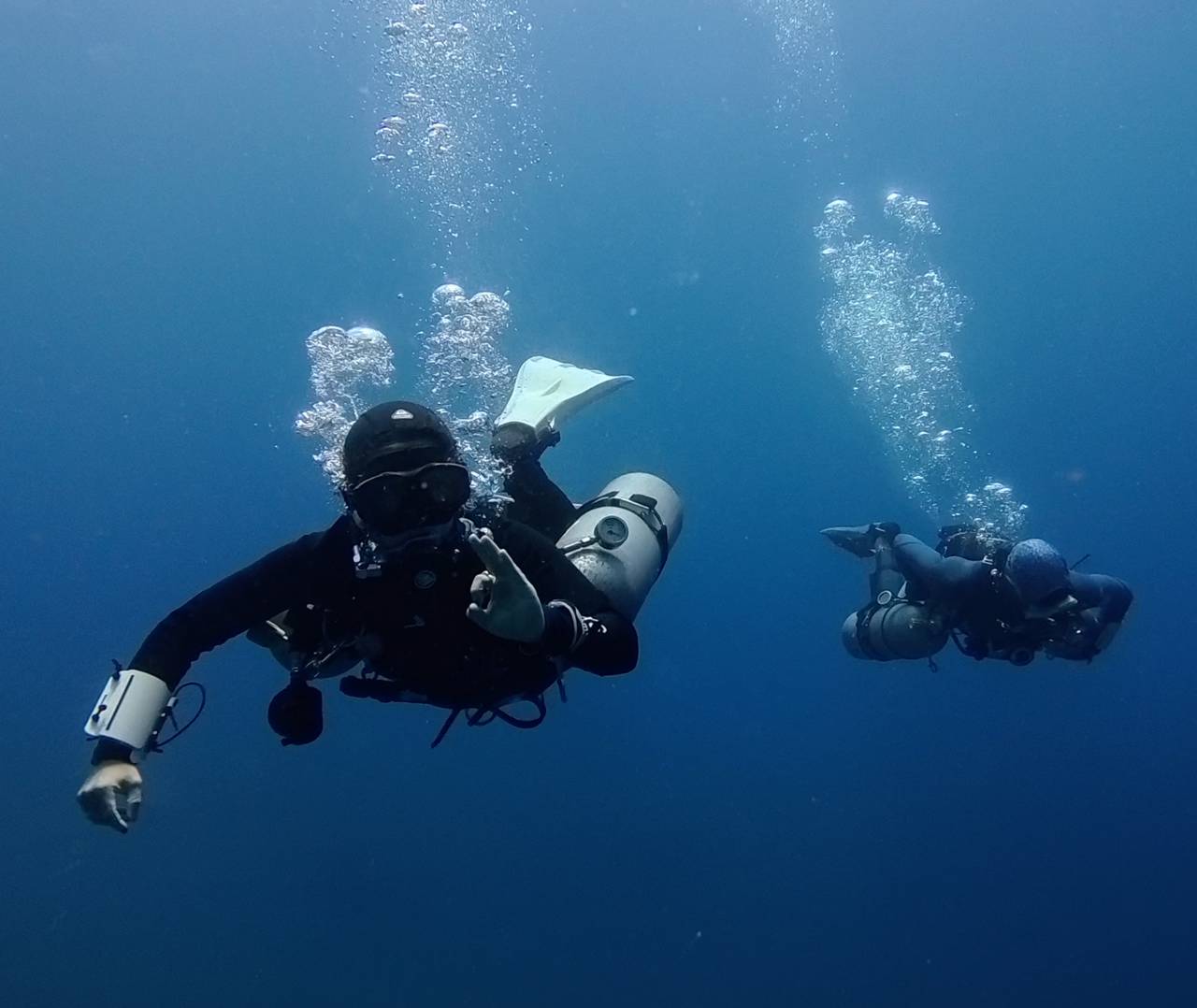
Natasha and I practicing our S-drills mid-water
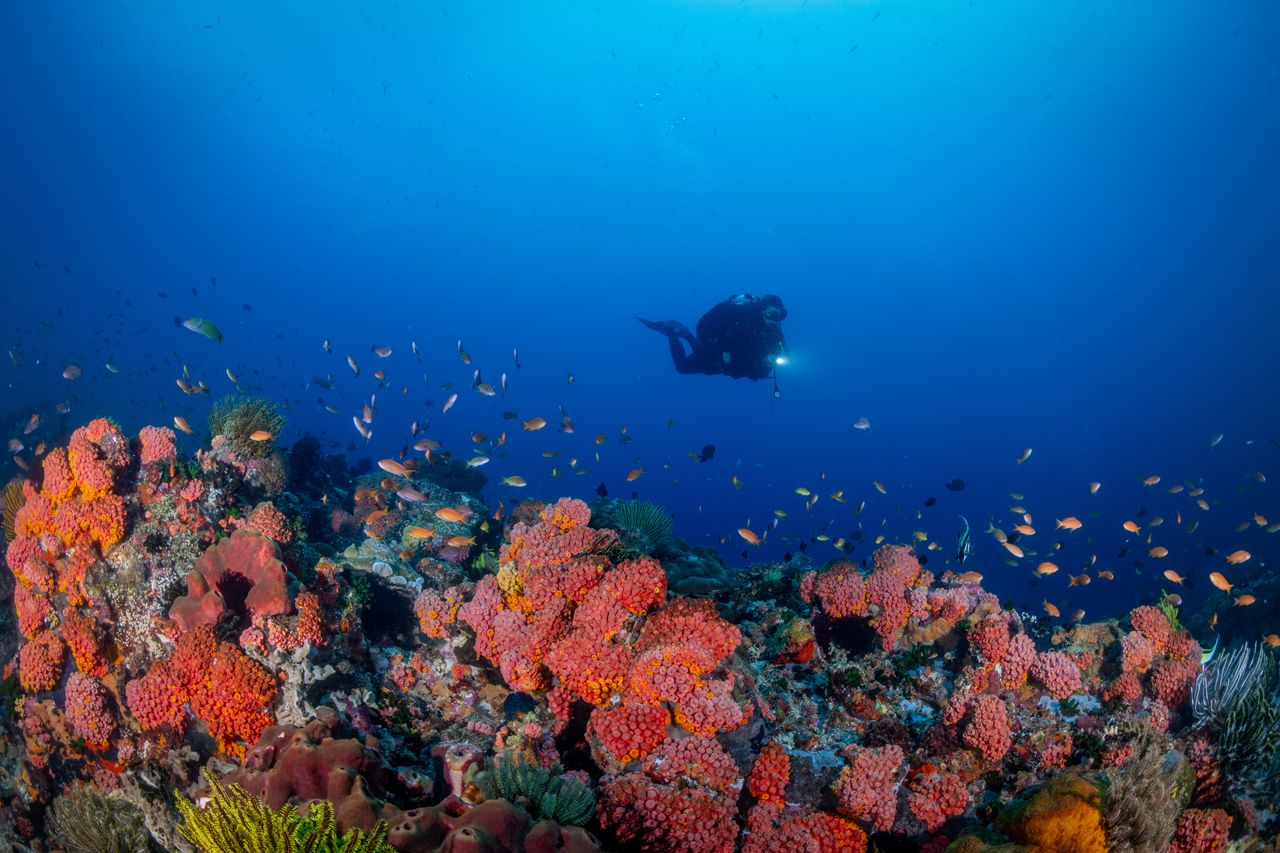
Of course, it wasn’t all hard work. We took plenty of time to cruise the reef, soaking in the spectacular marine life Dauin is famous for. We hovered alongside bustling coral structures, tracked schools of catfish eels swirling over the sand, greeted passing sea turtles, and constantly tweaked our tank positions to find that perfect, weightless glide.
The Verdict
Stepping out of my comfort zone was the best decision I could have made. Sidemount has opened up an entirely new world of diving possibilities, rekindled my love for learning new underwater skills, and completely reframed how I think about safety and buoyancy.
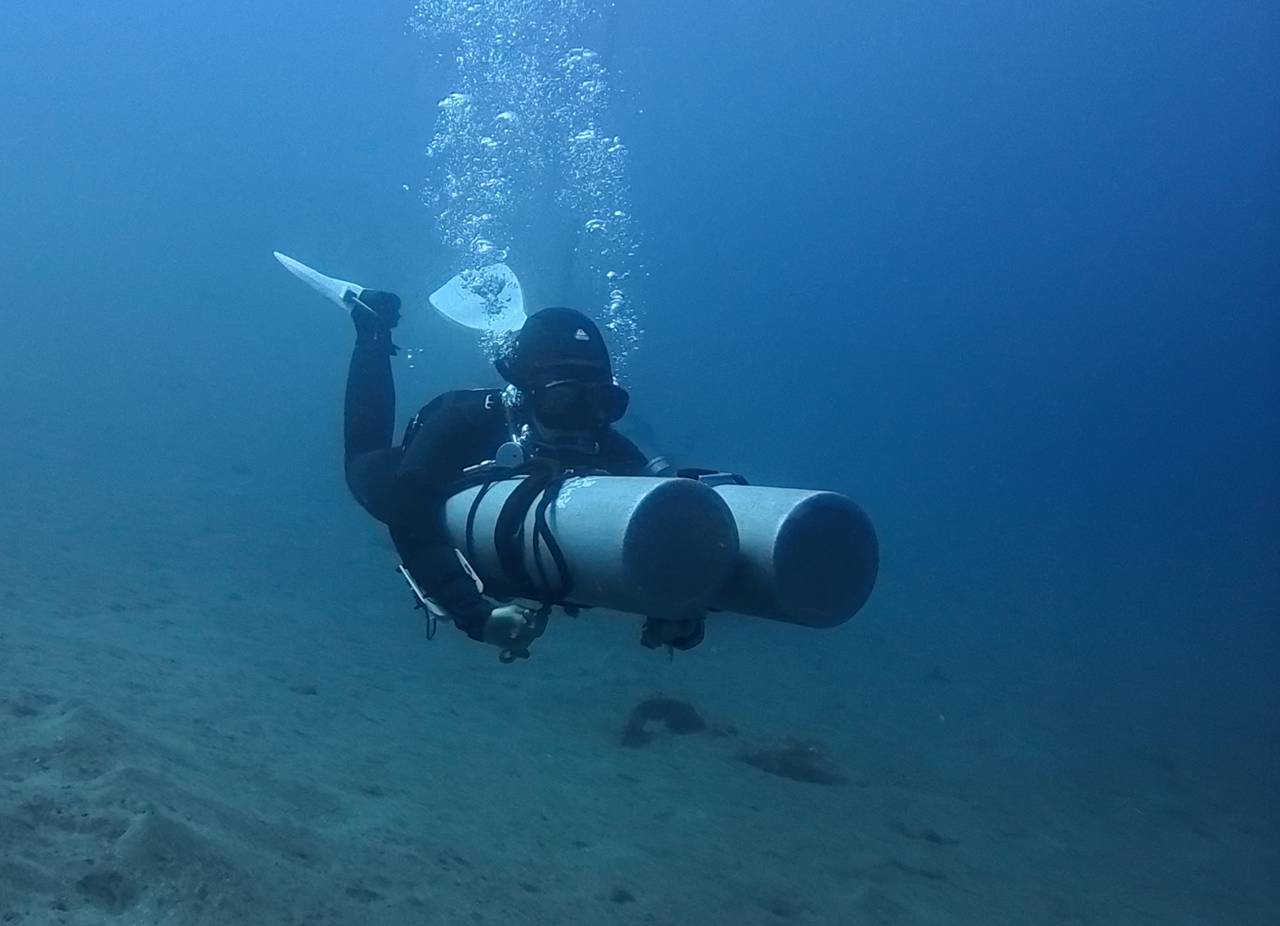
Having fun with detachable tanks!
Safe to say, I am absolutely hooked.