
Author’s note: This post was originally published in September 2025 but was recently updated in September 2026
The month of October is just around the corner, and we couldn’t be more excited! Why, you ask?
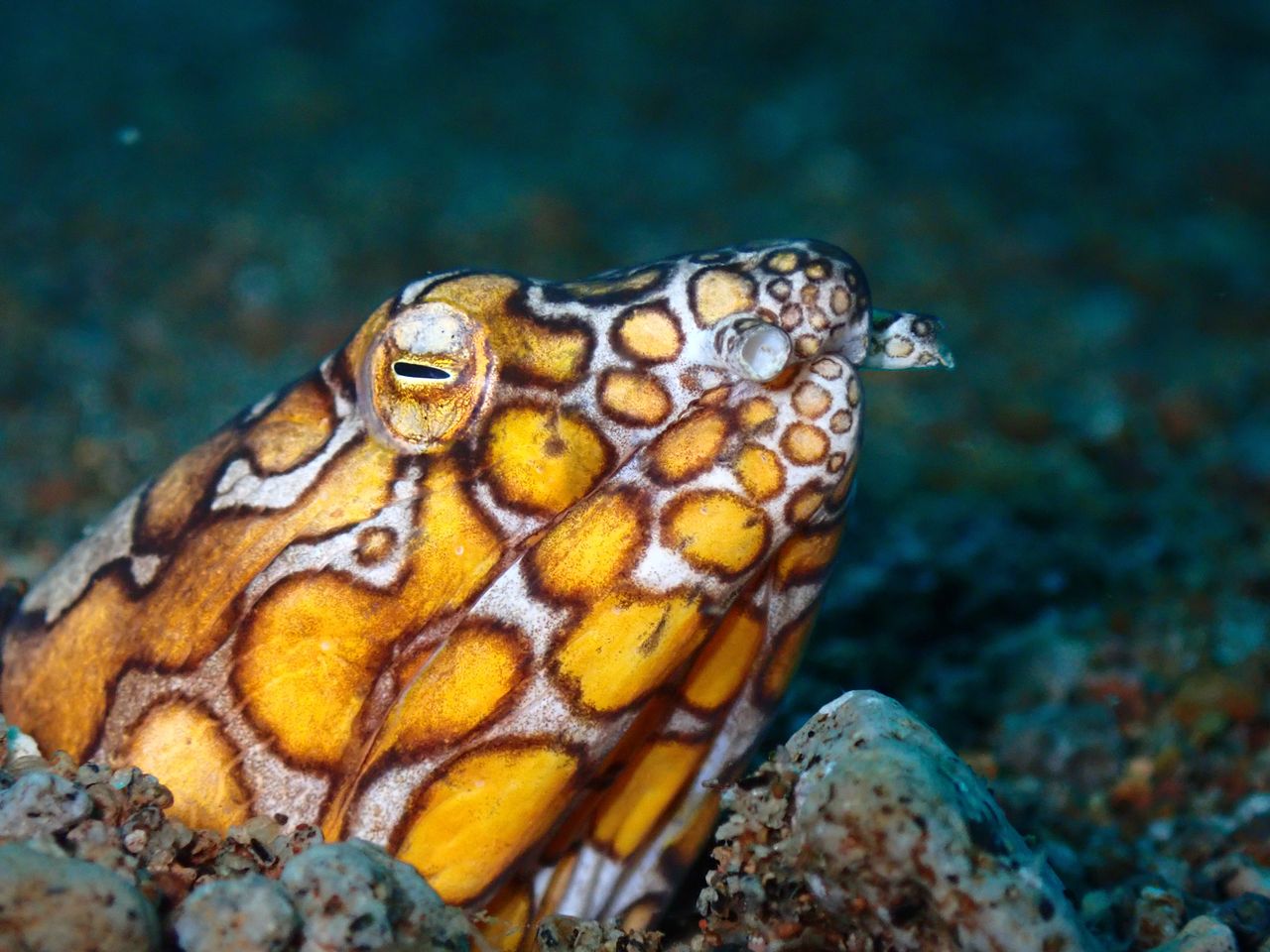
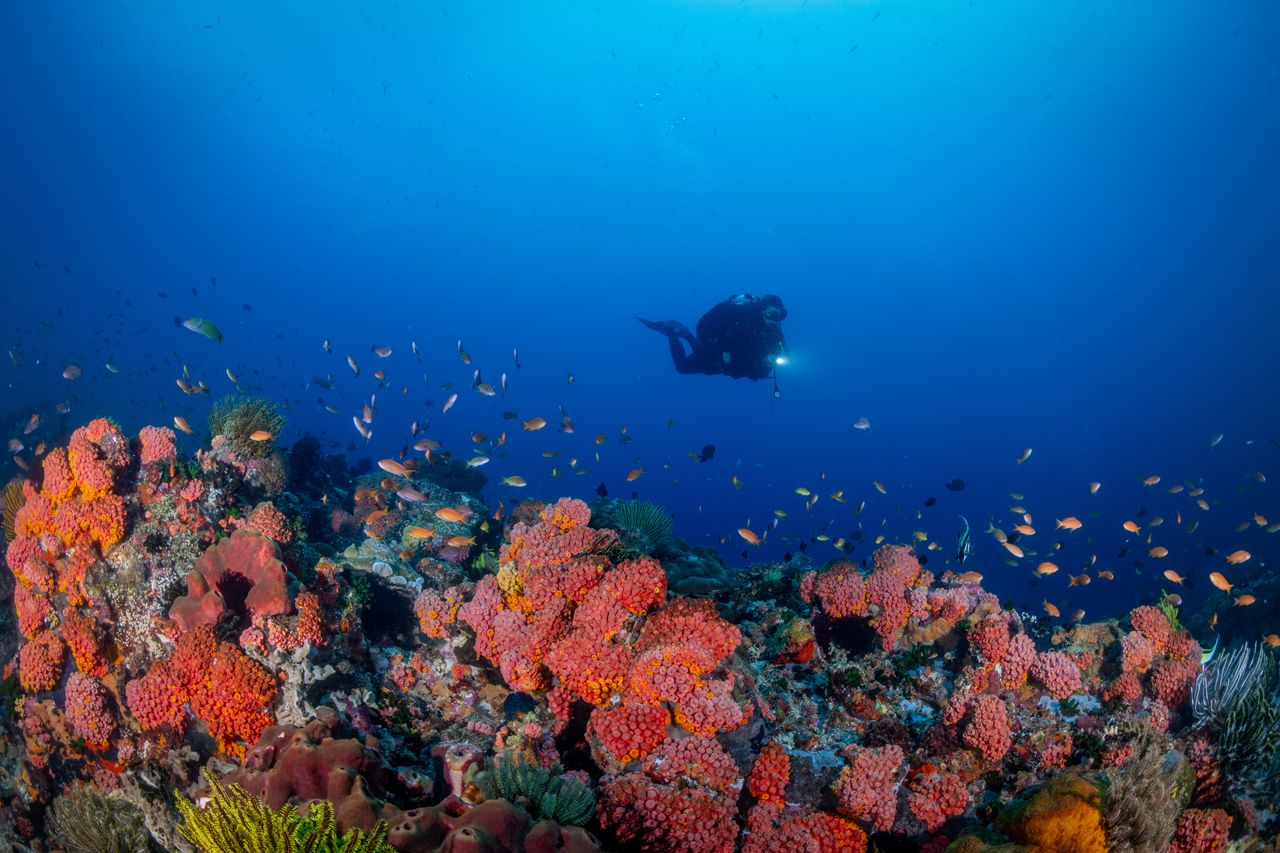
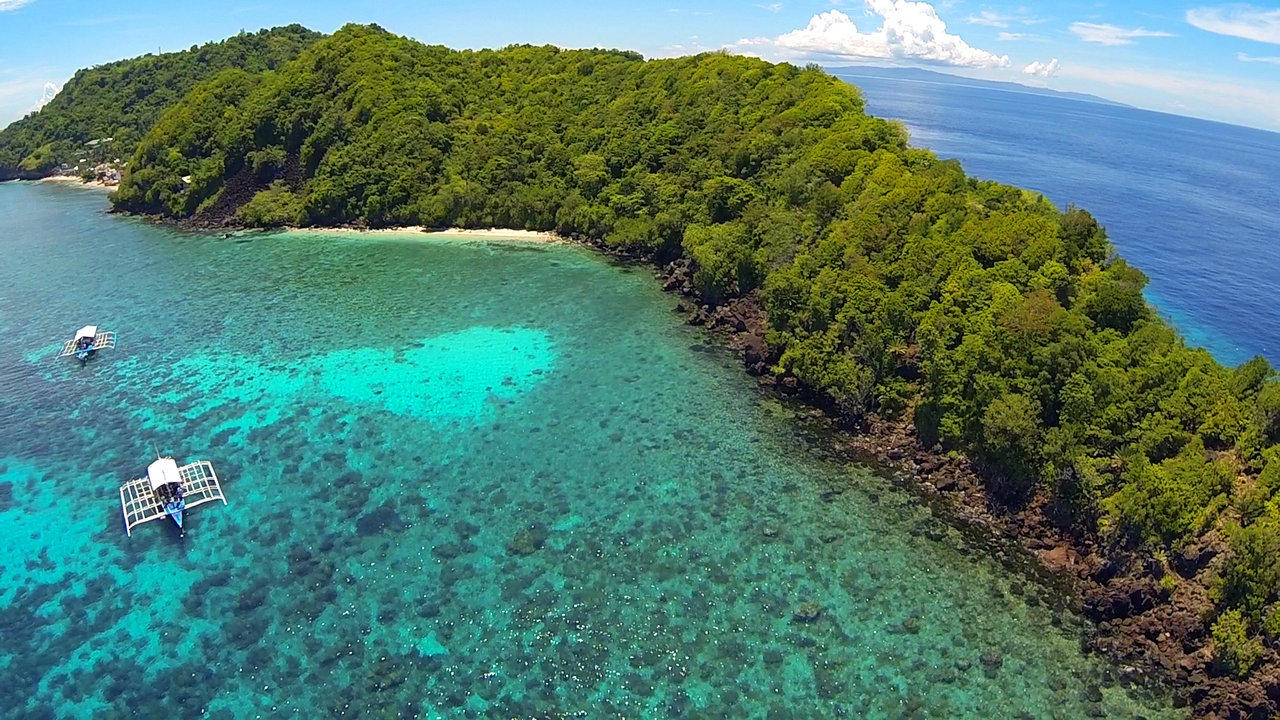
It is absolutely the best time of year here in Dauin, Philippines to witness the ocean’s most captivating, intelligent, and enigmatic creatures: cephalopods. From octopuses and cuttlefish to squids and nautiluses, these soft-bodied mollusks are renowned for their incredible problem-solving skills, dynamic behaviors, and unrivaled mastery of camouflage. As shifting seasonal conditions sweep across the region, our volcanic muck sites along the Dauin coast burst with elevated cephalopod activity. It is the prime time of year to dive in and witness legendary shape-shifters like the mimic octopus, flamboyant cuttlefish, and coconut octopus as they are hunting, shifting colors, and displaying their astonishing evolutionary adaptations right on our doorstep.
Whether you’re a marine biology enthusiast, a macro photographer, or simply in awe of nature’s marvels, Octopus October offers a truly unforgettable diving experience.
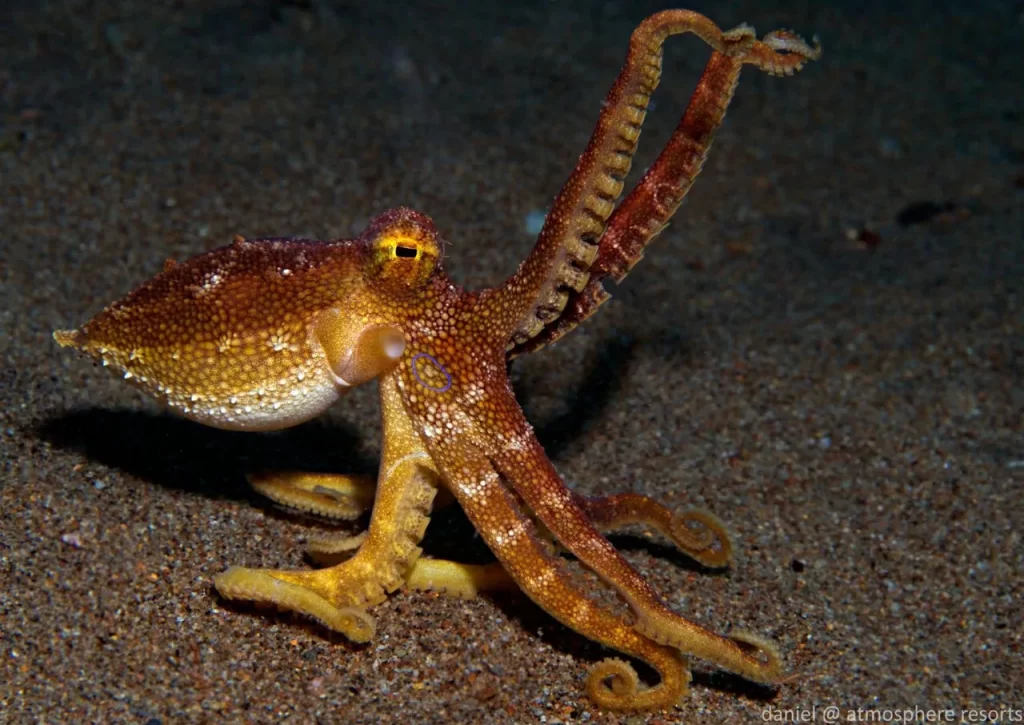
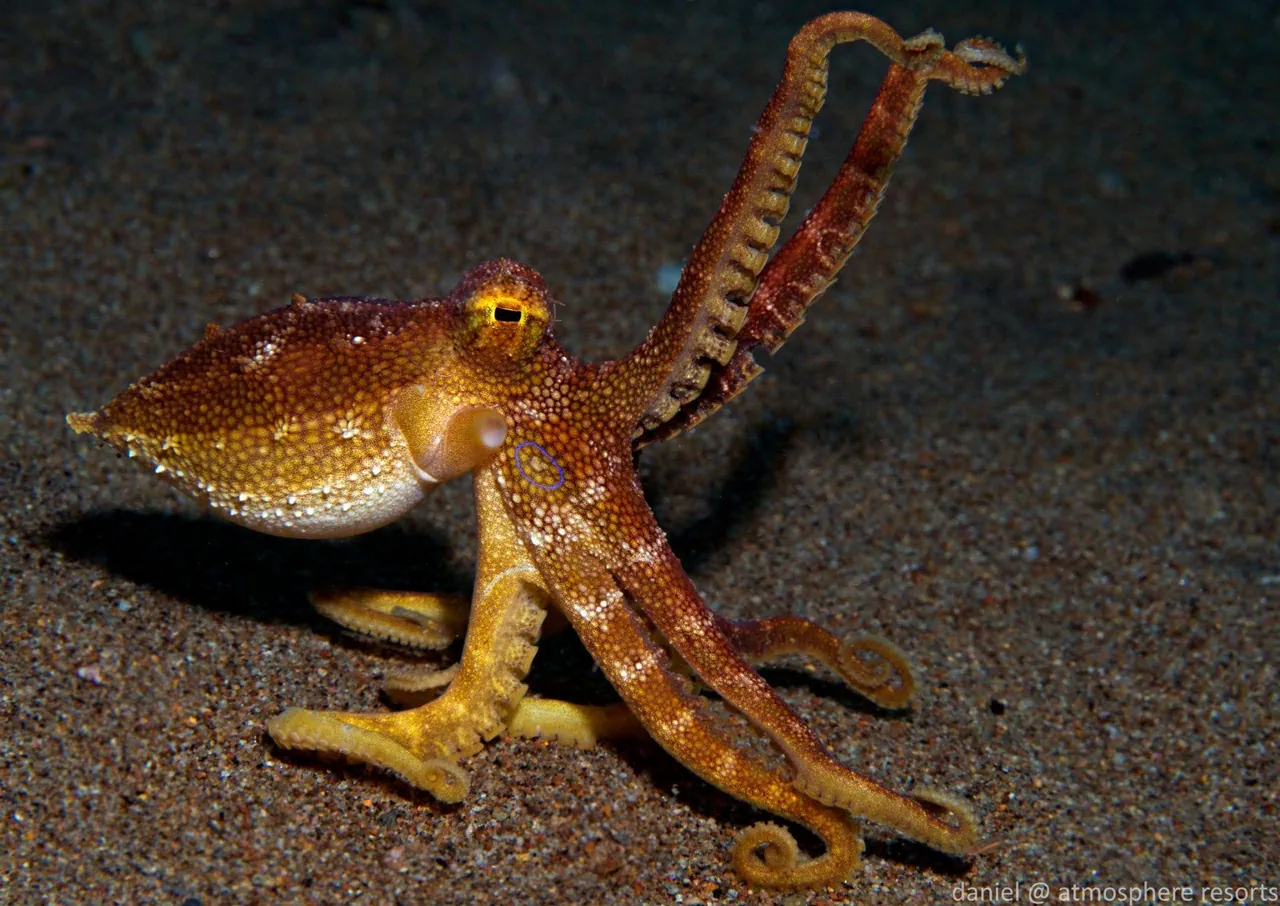
Mototi octopus showing off tentacles
Why October?
The waters of Dauin offer world-class muck diving all year round, but October marks a noticeable uptick in cephalopod sightings. Water temperatures dip slightly to a comfortable 27–28°C, and with fewer heavy rains than the earlier months, underwater visibility improves, especially on sunrise and dusk dives.
Many species of octopus are nocturnal or crepuscular, which means that they are most active at dawn and dusk. During this season, we see frequent activity and increased sightings as octopuses from species that are normally reclusive or harder to spot become more visible for mating.
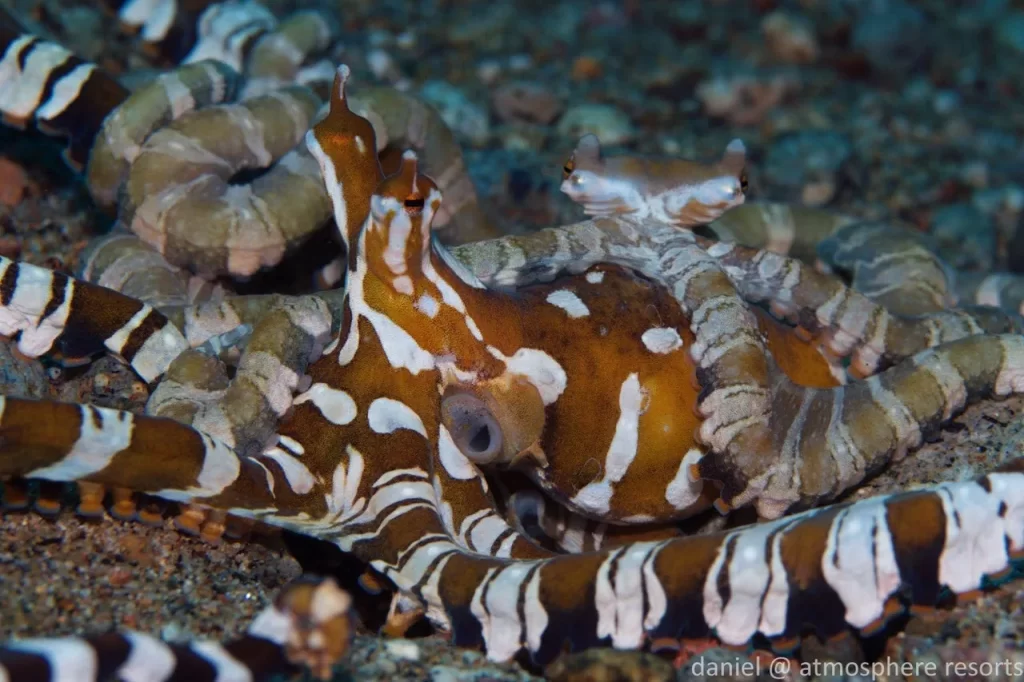
Wunderpus octopus mating
Meet the Cephalopods of Dauin
Here are some stars of Octopus October:
- Mimic Octopus (Thaumoctopus mimicus)
Unlike most octopuses that squeeze into rocky crevices or blend quietly into coral heads, the mimic octopus thrives right out in the open on Dauin’s featureless volcanic slopes. Lacking a protective hard shell or a reef to duck behind, this clever cephalopod evolved one of the most mind-bending survival strategies in the animal kingdom: active dynamic deception. Instead of just matching the color of its surroundings, the mimic octopus impersonates the shapes and swimming behaviors of local, venomous species. Feeling threatened? It can tuck its arms together and glide along the sand to mimic a flatfish, flare its arms out like the toxic spines of a lionfish, or trail two banded arms behind it to imitate a sea snake. Marine biologists have even noted that it seems to select its costume based on what specific predator is nearby, a level of situational intelligence that leaves researchers and divers alike completely awestruck.
It is not all about defense, either. The mimic octopus uses its shape-shifting skills as a hunting tactic, casually strolling up to unsuspecting crabs, gobies, and small crustaceans without ever setting off their alarm bells.
It is a true marvel of marine evolution, and easily one of the most rewarding encounters you can have while muck diving along our coast!
- Wunderpus Octopus (Wunderpus photogenicus)
As its name suggests, this beautifully patterned octopus is a photographer’s dream. With delicate arms and symmetrical brown-and-white striping, it’s often confused with the mimic, but distinct once you learn the differences. Whereas the Mimic Octopus has a solid white border around the edges of its arms, this is absent in the W
- Blue-Ringed Octopus (Hapalochlaena lunulata)
Small, stunning, and famously venomous, this octopus is as captivating as it is dangerous. It displays iridescent blue rings along its body called ocelli, which are eye-like markings.
When excited, threatened, or hunting, specialized muscular structures in its skin flash these brilliant blue rings as an unmistakable warning. That electric blue display isn’t just for show but is a clear message to potential predators that this tiny hunter packs tetrodotoxin: a neurotoxin strong enough to paralyze prey instantly.
In the shallow muck ecosystem, the blue-ringed octopus acts as a highly effective micro-predator, targeting small crabs, shrimp, and reef fish that shelter in the sand. By keeping crustacean populations in check, this small but formidable cephalopod plays a key role in maintaining balance within benthic micro-habitats.
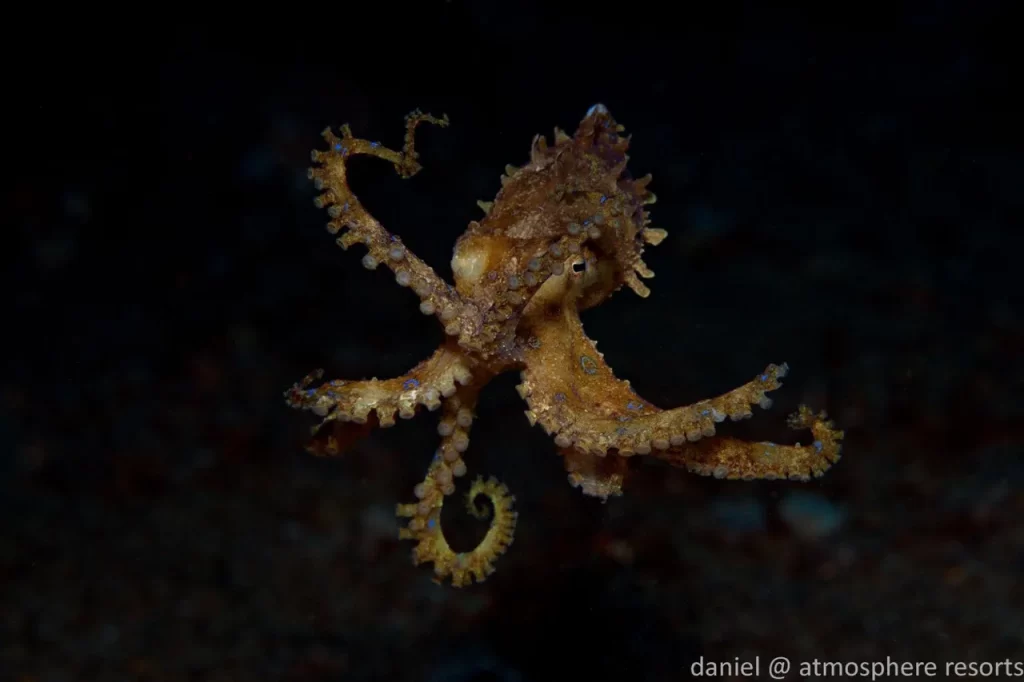
Blue ring octopus swimming using jet propulsion
- Mototi Octopus (Amphioctopus mototi)
This species is similarly venomous and also displays iridescent ocelli, but usually it only has one on each side of its body rather than dispersed all over the body like the Blue-Ringed Octopus. It spends much of its time tucked safely inside discarded bivalve shells, coconut husks, or small crevices in the rubble.
- Reef Octopuses
These include the Coconut Octopus (Amphioctopus marginatus), Day Octopus (Octopus cyanea), and the Long Arm Octopus (Abdopus sp.). Common yet always a joy to observe, these curious creatures use rocks as tools, create dens from shells, and are often seen exploring with their intelligent, flexible arms.
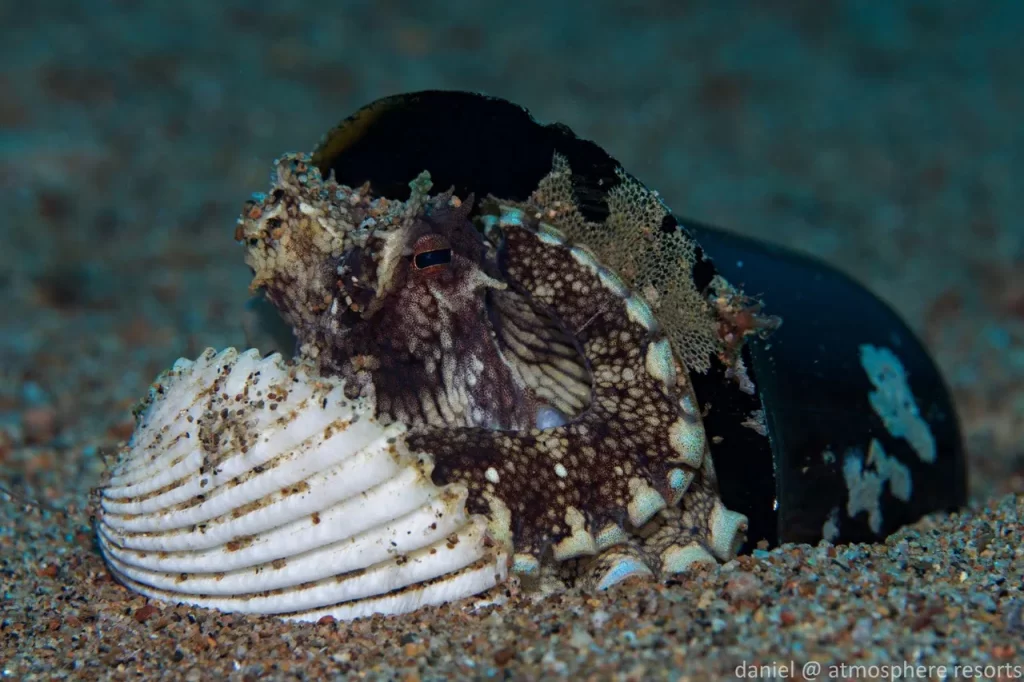
Coconut octopus using a shell to hide
Smart, Shy, and Shape-Shifting: Cephalopod Intelligence
Cephalopods are known as the “primates of the sea” for good reason. They have large brains relative to body size, excellent problem-solving abilities, and incredibly complex behaviors for invertebrates. They can:
- Camouflage in seconds, thanks to specialized skin cells called chromatophores, leucophores, and iridophores
- Use tools, such as coconut shells and rocks for defense or shelter
- Learn and remember, solving mazes and even recognizing individual divers over time
- Change texture and posture, mimicking their environment or other species
What makes these traits even more mind-bending is that cephalopods evolved this high-level intelligence on an entirely different evolutionary branch than mammals or birds. While human intelligence relies on a centralized brain, an octopus distributes two-thirds of its neurons throughout its arms, allowing each tentacle to explore, sense, and process information independently. Their lives are brief (often lasting just one to two years) yet they manage to acquire complex spatial maps, master intricate hunting strategies, and adapt to rapidly changing environments in a fraction of a lifetime.
These animals challenge our understanding of intelligence, making encounters with them not just magical but profoundly humbling.
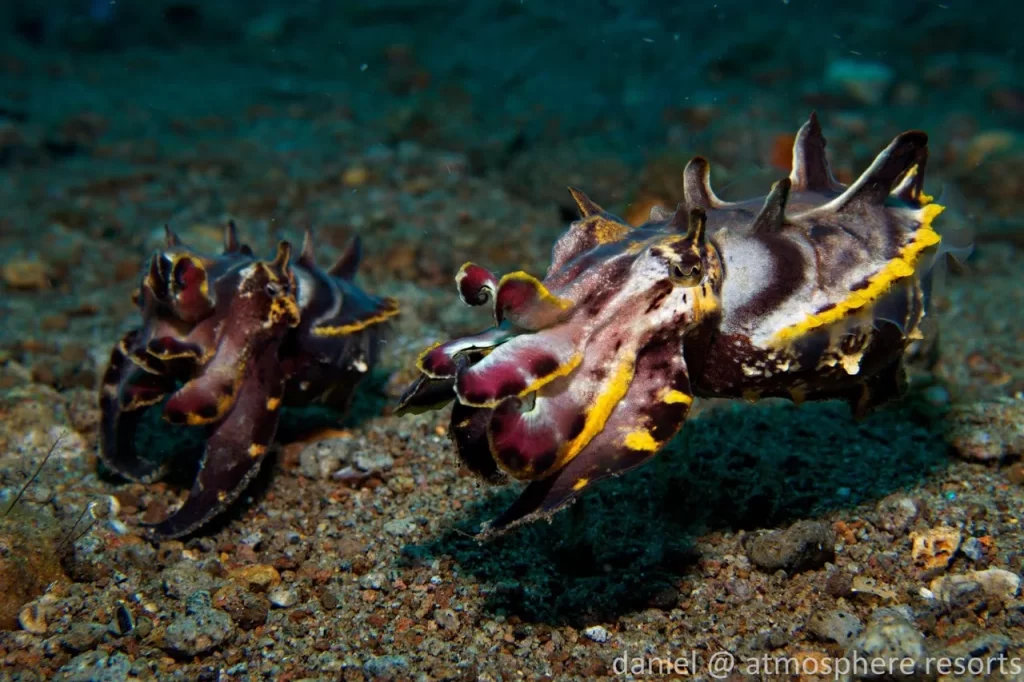
Two Flamboyant Cuttlefish preparing to mate
Plan Your Octopus October Dive Adventure with Atmosphere
Whether you’re aiming to tick rare species off your photography wishlist or just hoping to witness the strange beauty of a shape-shifting octopus in action, October is the time to do it.
At Atmosphere, we’re committed to marine conservation and responsible diving. Our dive guides are trained to observe and photograph cephalopods without disturbing them. We maintain a safe distance, avoid using excessive light, and educate our guests on how to appreciate these animals without stressing them out.
Join us this October and discover why these eight-armed wonders are some of the most beloved and brilliant creatures in the sea!