
If you are planning a trip to the heart of the Coral Triangle to dive the pristine reefs of the Philippines, you are in for an extraordinary experience. While technical divers often obsess over complex math and extreme depths, recreational divers also need a solid understanding of dive physiology to stay safe and truly enjoy the experience.
Before you back-roll into the vibrant waters, let’s break down the diving disorders every recreational diver must be aware of, some new and surprising findings, and how to safely navigate your post-dive time at the resort.
Core Concepts: Why They Matter for Recreational Divers
Narcosis
You might know it as the “martini effect.” In dive medicine, it is referred to simply as gas narcosis, since gases other than nitrogen can trigger the condition. This anesthetic effect impairs your judgment, can cause unexpected euphoria or anxiety, and typically kicks in deeper than 30 meters.
- Many divers experience narcosis without even realizing it. Knowing your personal limits and monitoring your dive buddy for unusual behavior is crucial. Furthermore, recent studies have debunked the myth that diving on Enriched Air Nitrox reduces your risk of gas narcosis. If you feel the symptoms underwater, the fix is straightforward: ascend to a shallower depth until your head clears.
Reference: Nitrogen Narcosis Symptoms and Other FAQs

Oxygen Toxicity
While we need oxygen to live, breathing it at high partial pressures (pO2) underwater can overwhelm our body’s natural defenses, since oxygen becomes toxic at depth. Central Nervous System (CNS) oxygen toxicity is the primary concern, capable of causing tunnel vision, nausea, or even sudden convulsions. Depending on the proportion of oxygen in your breathing gas, CNS can occur at different depths, which is the main reason why it is crucial to analyse your breathing gas before diving.
- When diving with Enriched Air Nitrox, you must monitor your depth meticulously. The standard safety guideline for open-circuit scuba is to keep your pO2 in the safe zone of 1.4 ATA or less. Venturing beyond recreational limits into the 1.6 ATA zone drastically increases your risk profile. I…) Whenever you breathe a gas with an oxygen fraction above 21 percent, oxygen toxicity is a possibility. Ensure you have appropriate training
Reference: Oxygen Toxicity – Divers Alert Network

Decompression Sickness (DCS)
Decompression Sickness – the bends – happens when nitrogen absorbed by your body forms bubbles in your tissues or bloodstream. This can occur during a fast ascent or by staying too long and/or too deep during the dive. Sticking strictly to your dive computer’s no-decompression limits and ascending slowly allows that excess nitrogen to safely pass out through your lungs.
- A massive new study of over 130,000 dive records by DAN Europe completely flipped our understanding of DCS risk factors. Surprisingly, lower BMI was linked to a higher risk of DCS, contradicting years of assumptions about body fat. Furthermore, female divers were found to have up to a 4.63 times higher risk of DCS than males! Paradoxically, divers who reported feeling thermally comfortable underwater had a 2.8-fold higher risk than those who felt cold.
Reference: Identification of DCS risk factors in recreational diving
Reference: Massive new study on decompression sickness

No-Fly Time
Airplane cabins are pressurized to a lower atmospheric pressure than sea level. Flying too soon after diving acts like a rapid ascent, pulling residual nitrogen into dangerous bubbles.
- Divers Alert Network (DAN) guidelines state you should wait at least 12 hours after a single no-stop dive, and 18 hours for multi-day repetitive diving. To err on the side of complete safety, we highly recommend planning a full 24-hour surface interval before your flight home.
Reference: 10 Things You Should Never Do Immediately After Diving
Your Safety Stop: A Relaxing 5-Day Atmosphere Resorts Itinerary
After surfacing, your body is still actively off-gassing nitrogen. Here is how to blend incredible recreational diving with safe, PADI-approved pre- and post-dive activities at the resort.

Day 1: Arrival & The House Reef Warm-Up
- The Dive: Ease into your vacation with a relaxed checkout dive on the Atmosphere House Reef, keeping an eye out for resident turtles and juvenile frogfish.
- Topside Strategy: Hydrate and log your dives. Proper hydration minimizes your DCS risk. Hang out at the Poolside Bar to meet the community, but hold off on the heavy cocktails for a few hours. Consuming alcohol immediately post-dive can cause dehydration and mask potential DCS symptoms.
Day 2: Apo Island
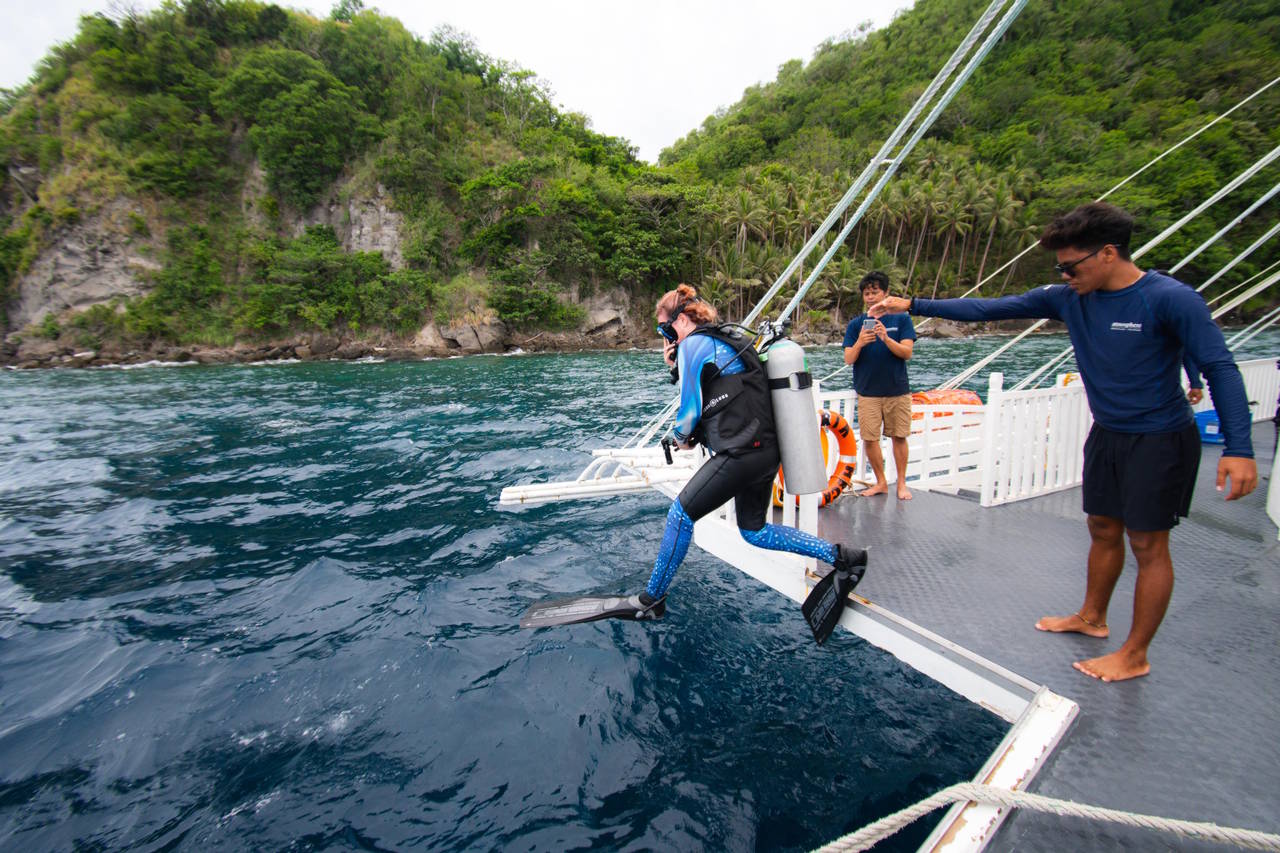
- The Dive: Take our comfortable dive boat to Apo Island to drift alongside schools of jacks and green sea turtles.
- Topside Strategy: Stretch it out, but skip the heavy workout. Avoid hitting the heavy lifting or intense cardio. Instead, opt for a gentle, grounding session on our yoga treetop platform.

Day 3: The Dauin Muck Treasure Hunt
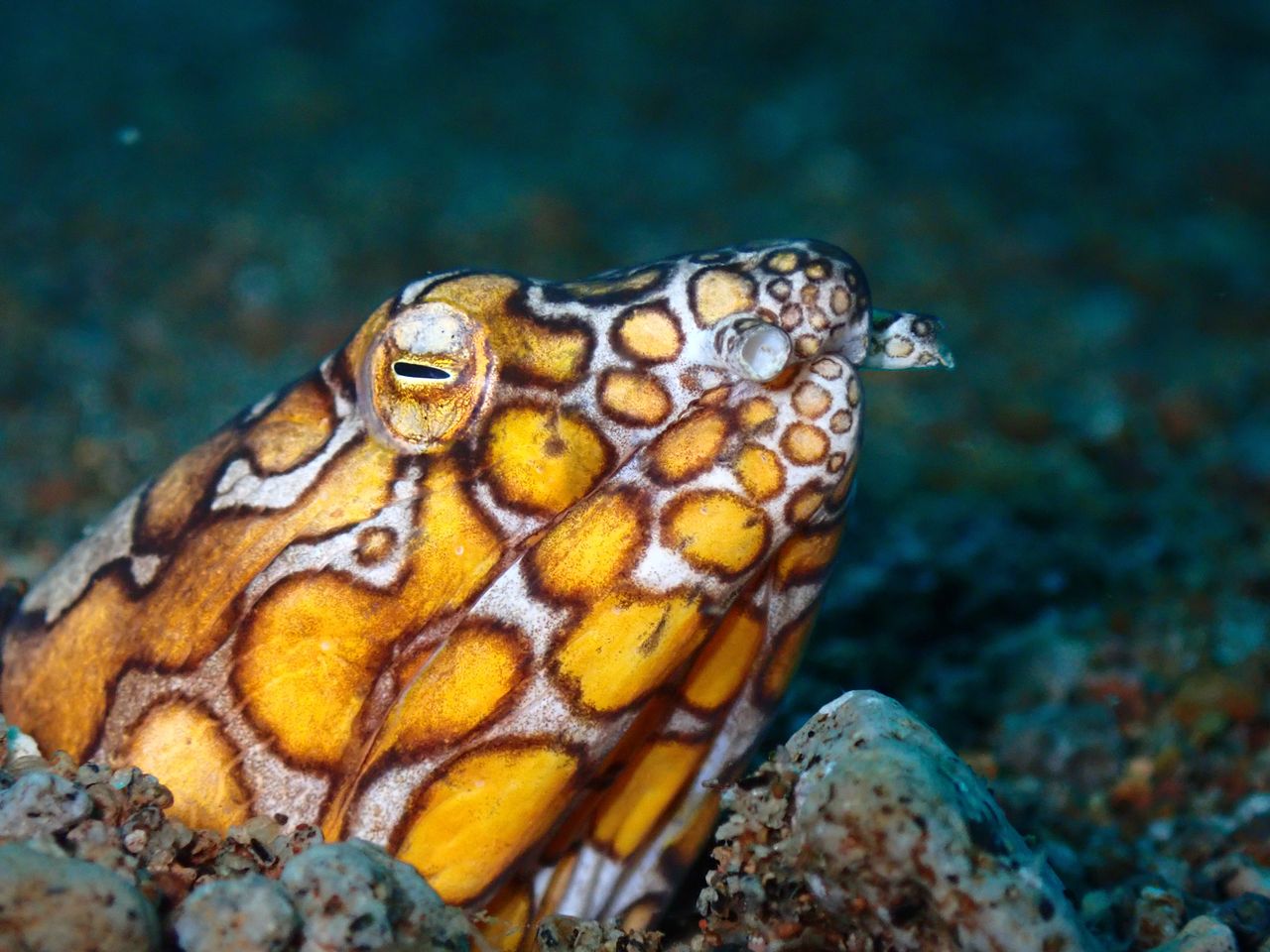
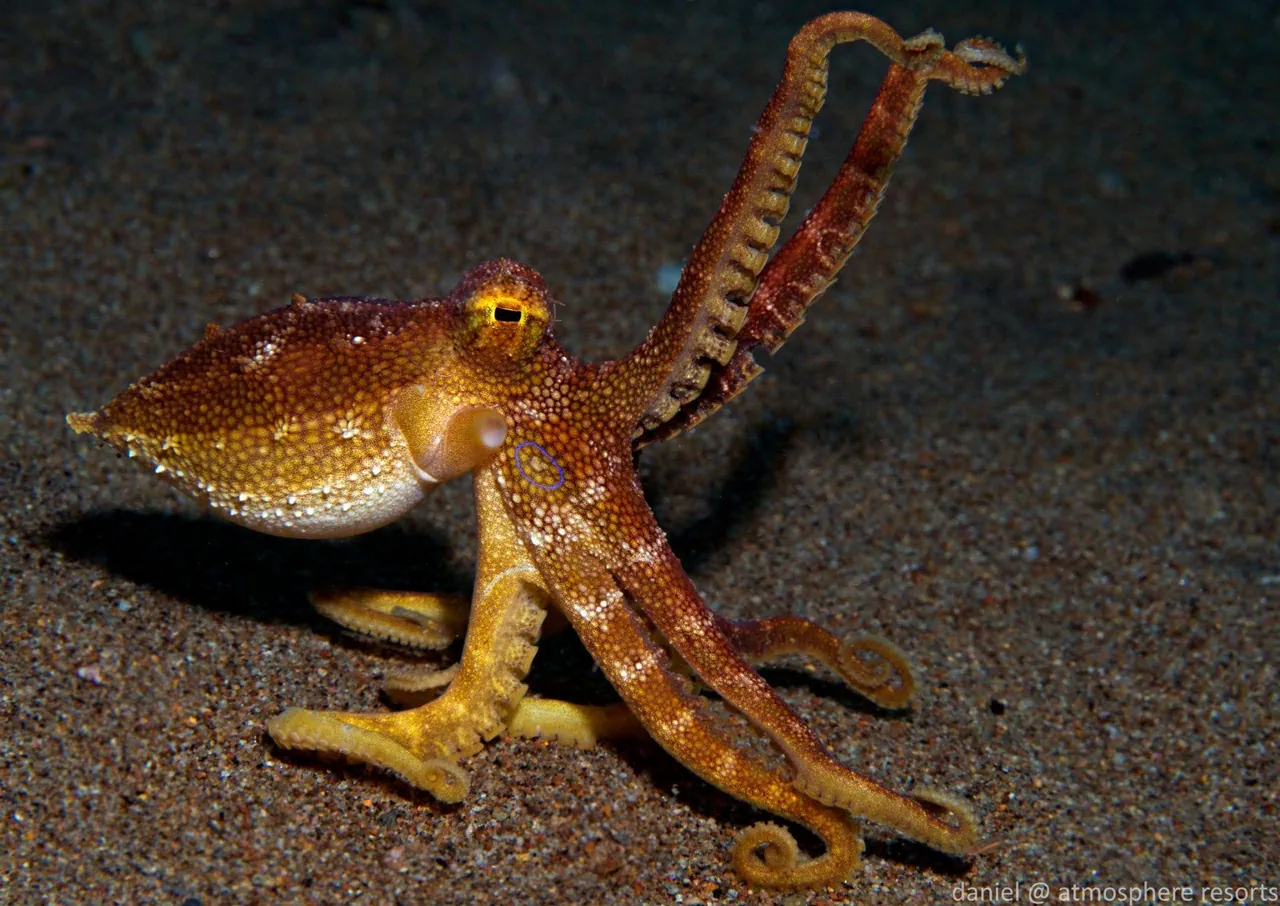
- The Dive: Hunt for the rare macro critters – like Flamboyant Cuttlefish and Blue-Ringed Octopuses – along the volcanic Dauin coast.
- Topside Strategy: Replenish your energy without the grease. Stay active topside by taking the Atmosphere “Learn to Cook Like a Filipino” class. Enjoy a meal rich in complex carbohydrates and lean protein at the Ocean Restaurant, avoiding heavy, fatty dishes that can alter metabolic rates before your next dive day.

Photo by: Imran Ahmed
Day 4: Coral Gardens & Spa Sanctuary
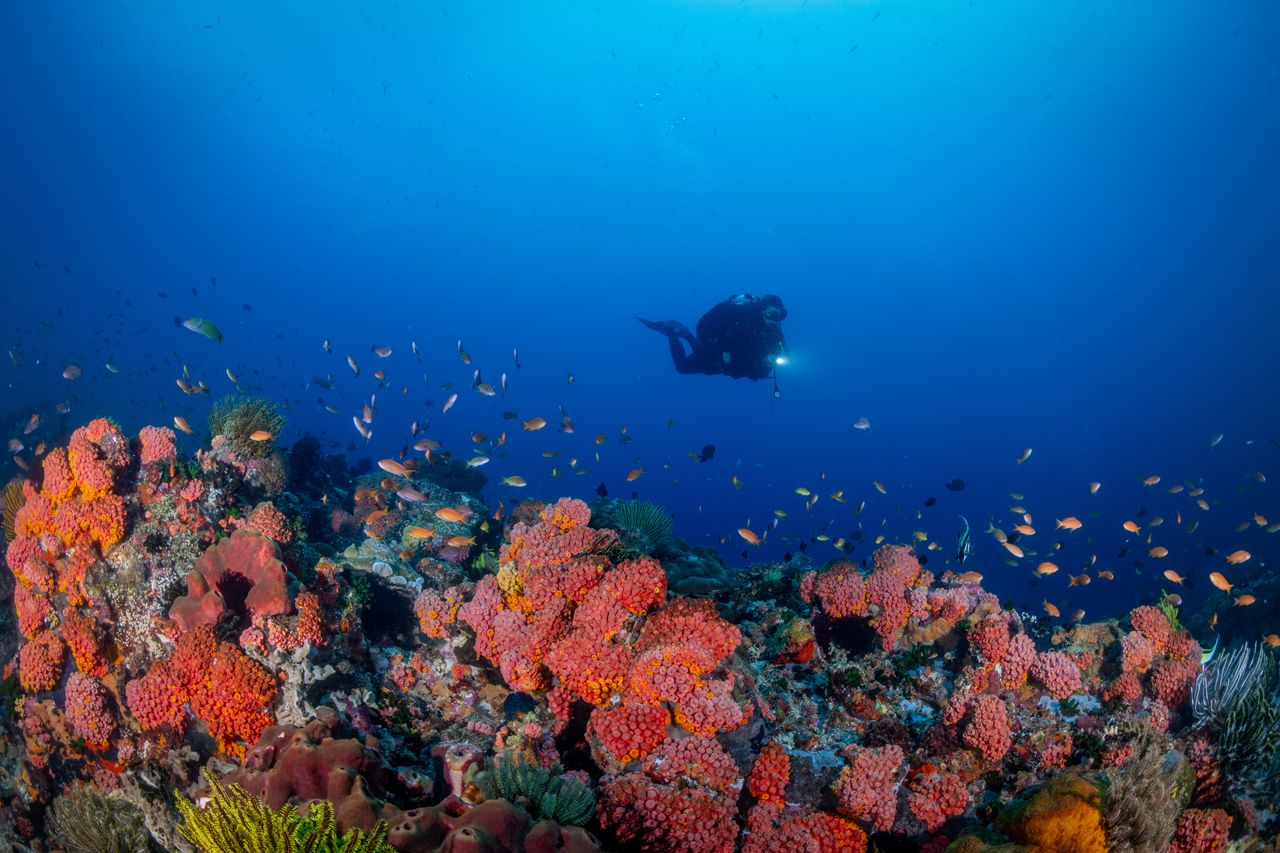
- The Dive: Enjoy a shallow, sun-drenched morning dive focused on wide-angle photography.
- Topside Strategy: Pamper yourself safely. Head to The Sanctuary Spa, but avoid deep tissue massages for at least 12 hours after diving. Opt for a gentle relaxation massage. Additionally, wait at least 30 minutes post-dive before jumping into a hot shower or hot tub to allow your body to warm up gradually.

Day 5: The Dry Surface Interval
- Topside Strategy: With your 24-hour no-fly clock ticking, stay at sea level. Avoid excursions to high altitudes (above 300 meters), as driving or hiking to altitude introduces the same decompression risks as flying.
- Topside Strategy: Use this day to sort through your underwater photos, enjoy a premium resort wine tasting, or enroll the kids in our Ocean Rangers marine biology program. It is the perfect way to wrap up a world-class dive vacation.
The Golden Rules for Recreational Divers
1. Analyze Your Gas
What you get in your cylinder may not always match your assumptions. If you use Enriched Air Nitrox, you must personally analyze or verify the oxygen fraction in your tank, independent of the filling station using a calibrated analyzer. This step is your primary defense against accidental oxygen toxicity.

2. Plan the Dive, Dive the Plan
Managing your dive profile is the most powerful tool you have to ensure safety. Always stick to your pre-dive agreements, limit heavy physical exertion while at depth, and never push past the parameters you and your buddy prepared for on the surface.

3. Level Up Your Knowledge (The Ultimate Safety Upgrade)
The best way to increase your safety margin as a recreational diver is to learn how the experienced divers do it. Consider introducing yourself to PADI’s professional programs or introductory technical diving concepts.
Doing your PADI Divemaster course is not just a means to potentially do scuba diving as a career, but also a way to really learn the core concepts of diving and become a better diver and buddy. Enrolling in TDI tech courses, Intro to Tech or Advanced Nitrox, isn’t just for people who want to dive deep into shipwrecks. These programs teach recreational divers elite buoyancy control, meticulous gas management, and advanced emergency drills. It is the single best way to transform yourself from a passive vacation diver into a highly competent, self-reliant underwater explorer.