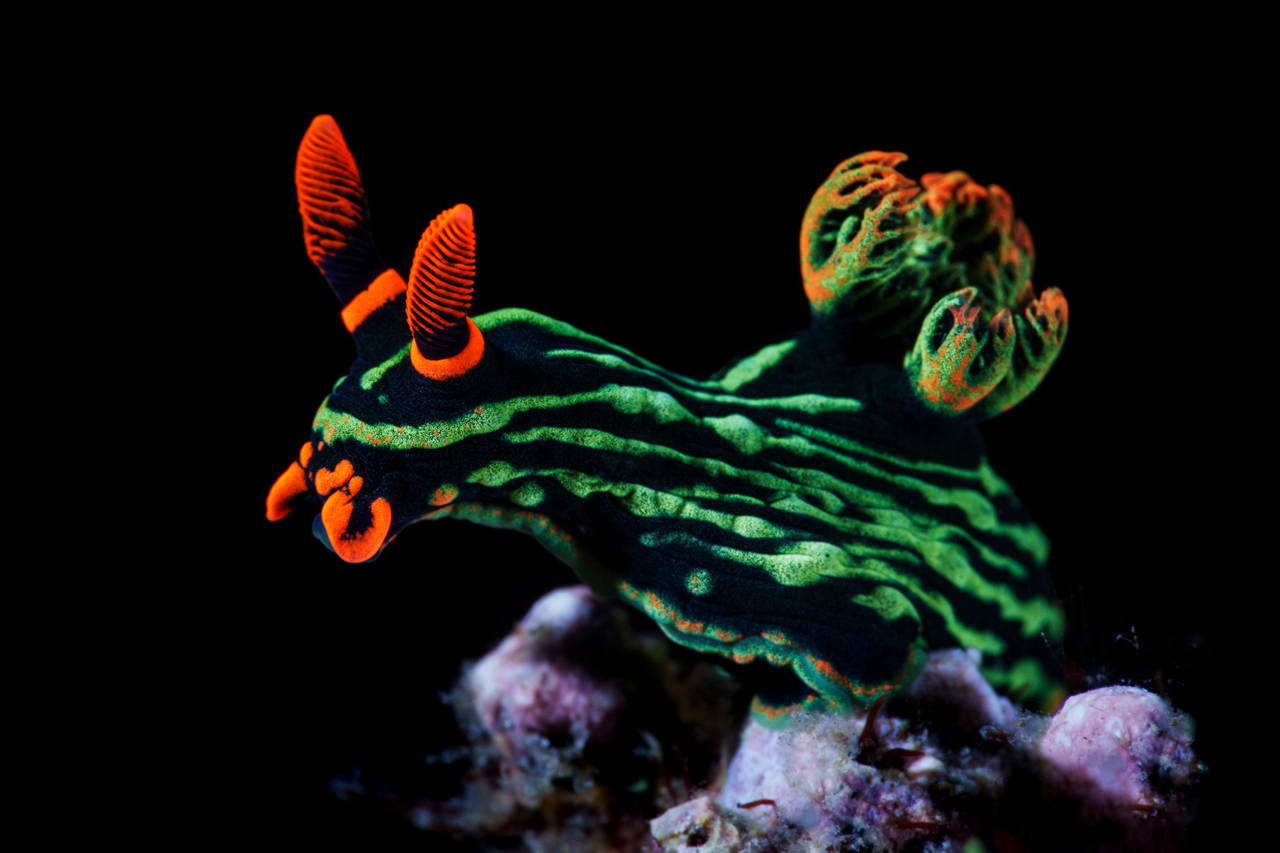

If you’ve ever been scuba diving in Dauin or around Apo Island, you’ve likely come across one of the ocean’s most fascinating creatures: the nudibranch. These brilliantly colored sea slugs are a highlight of Philippine macro diving, especially along the coastlines of Negros Oriental, where Atmosphere Resorts & Spa is located.
But beyond their vibrant looks, there’s a world of surprising facts about nudibranchs waiting to be discovered. Here are ten things you might not know about these tiny underwater creatures.
-
The Philippines is a Nudibranch Hotspot
The Philippines is home to an incredible variety of nudibranch species, with new ones still being discovered every year. Dauin’s muck diving sites are world-renowned for their biodiversity. It’s not uncommon to spot 10 different species in a single dive. That’s why photographers and marine biologists often call this region the “Nudibranch Capital of the Philippines.”
-
Their Name Means “Naked Gills”
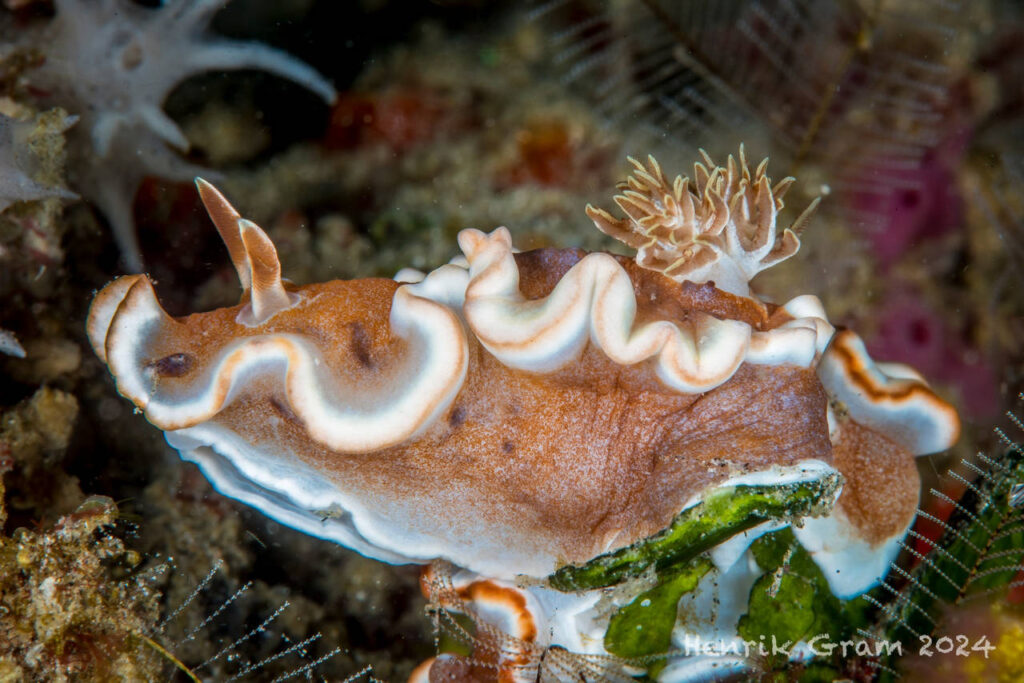
The name nudibranch comes from the Latin and Greek words for “naked gills.” The soft, feathery plumes you see on their backs are actually their external gills, an extension of their respiratory system, used for breathing underwater.
-
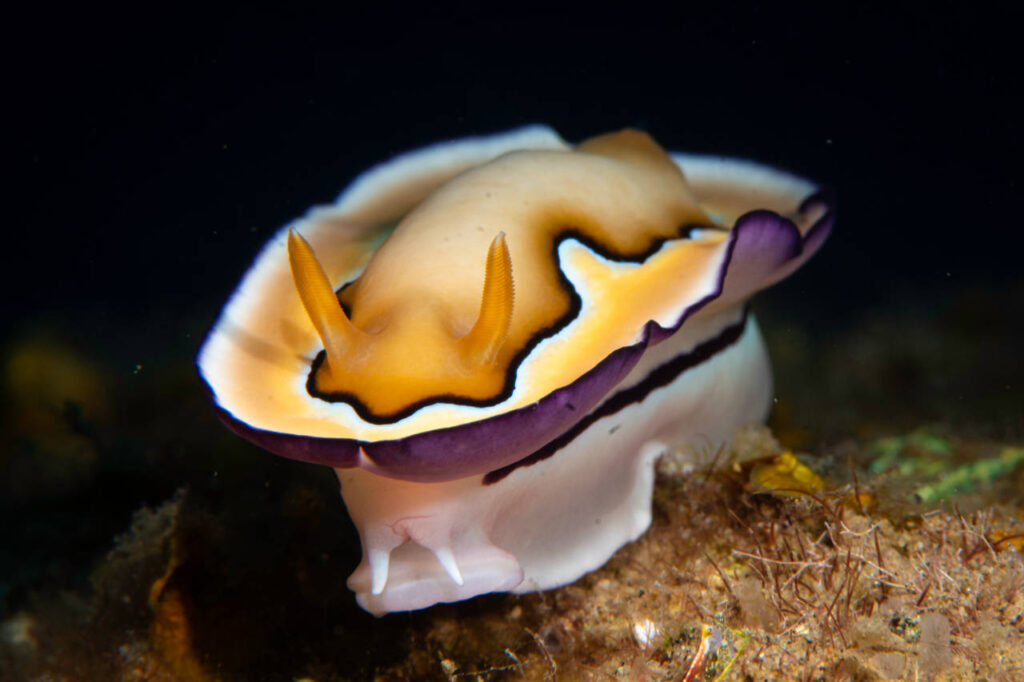
They Steal Color and Toxins from Their Food
Many nudibranchs don’t just eat… they borrow! These clever sea slugs absorb toxins, stinging cells, or even pigments from the sponges, corals, and hydroids they consume. This gives them their trademark bright colors while making them unappetizing to predators.
-
Some Glow Under Ultraviolet Light
During night dives in Dauin, divers sometimes use UV torches to spot biofluorescent nudibranchs. Certain species glow under ultraviolet light, revealing vivid greens, blues, and pinks invisible under normal conditions. It’s one of the many reasons photographers love diving here after dark.
-
Masters of Camouflage
Not every nudibranch is neon-colored. Some species are masters of disguise, blending perfectly into their surroundings — from corals to algae or sand. In the volcanic muck sites near Atmosphere, these well-camouflaged sea slugs can challenge even the sharpest-eyed diver to spot them.
-
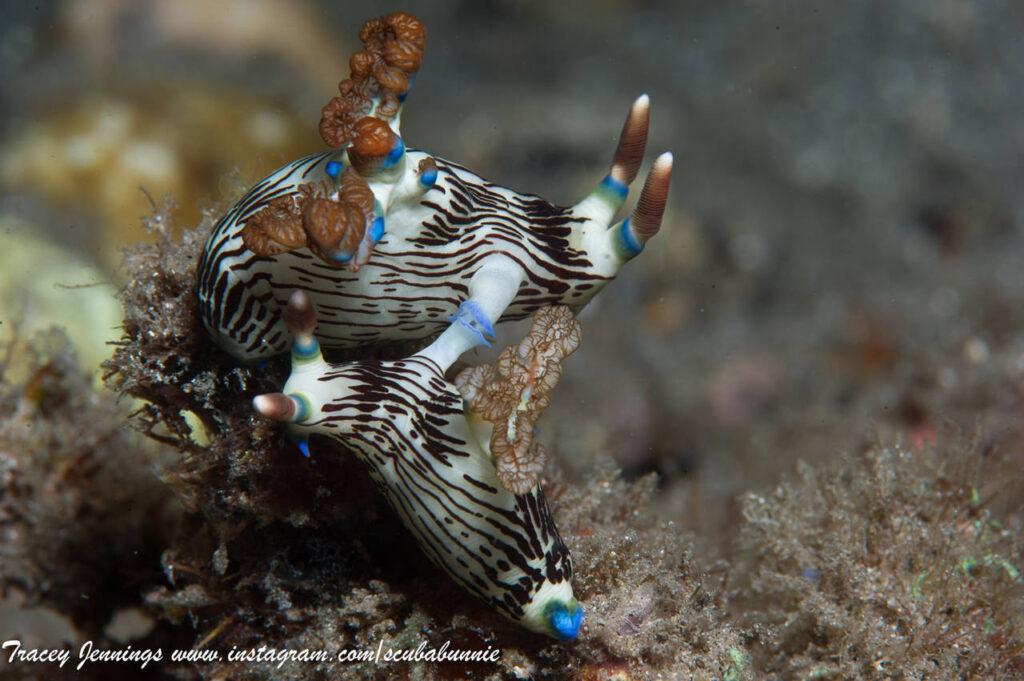
They’re All Hermaphrodites
Every nudibranch has both male and female reproductive organs, which means any two individuals can mate. After mating, both lay eggs in delicate spiral ribbons often found attached to soft corals or rocks. Spotting these colorful egg ribbons is a special treat for macro enthusiasts.
-
They Live Fast and Colorfully
Despite their beauty, nudibranchs have short lifespans: usually only a few weeks to a year. This short cycle means the local nudibranch population changes constantly, ensuring that every dive in Dauin brings the chance to see something new.
-
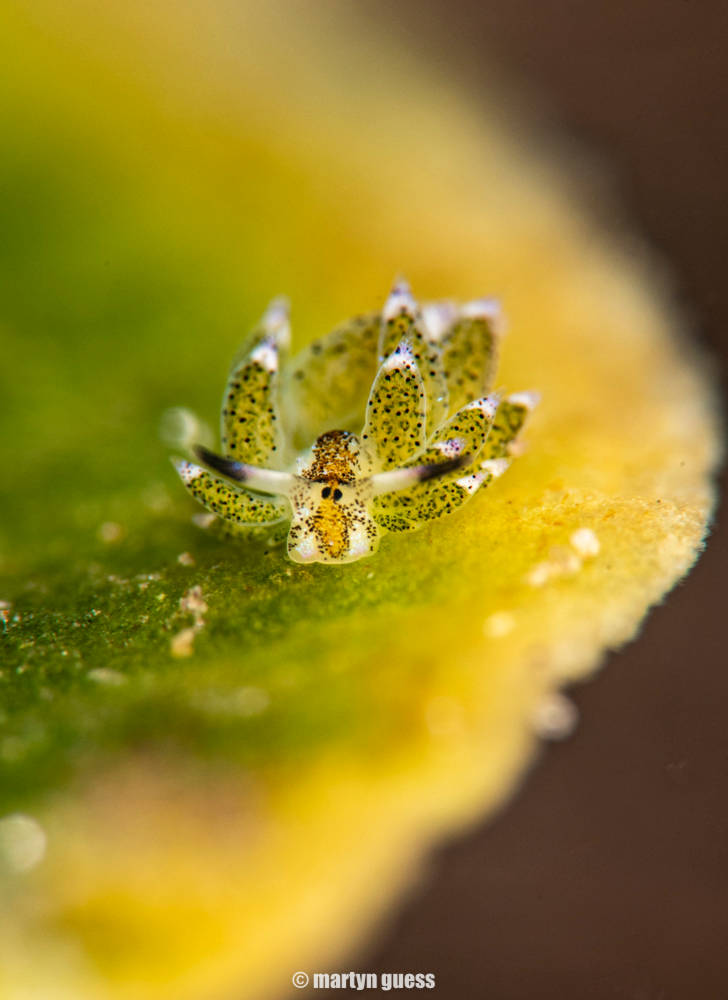
Some Sea Slugs Can Harness the Power of the Sun
Certain nudibranch relatives, like Elysia and Costasciella species, can incorporate chloroplasts from algae into their bodies, allowing them to photosynthesize energy from sunlight. While this ability isn’t common in all nudibranchs, some Philippine species exhibit similar adaptations, earning them the nickname “solar-powered sea slugs.”
-
They Play an Important Role in the Reef Ecosystem
Beyond their beauty, nudibranchs serve an essential ecological purpose. Many species help control sponge and hydroid populations, keeping coral reefs in balance. Their presence is often a good indicator of reef health, so when you see plenty of nudibranchs on your Dauin dives, it’s a sign of a thriving marine environment.
-
New Species Are Still Being Discovered in Dauin
The Philippines remains one of the most exciting regions for discovering new nudibranch species. Scientists and dive guides regularly document rare finds in Dauin and Apo Island, adding to the growing list of known species. Every dive here truly has the potential to reveal something entirely new.
Dive Into the World of Nudibranchs with Atmosphere
At Atmosphere Dive, we’re lucky to have some of the world’s best macro diving right on our doorstep. Our expert PADI dive guides know the reefs and muck sites of Dauin better than anyone, helping guests find rare and photogenic nudibranchs on every dive.
Whether you’re a beginner diver, an Advanced enthusiast, or a macro photographer, you’ll find endless opportunities to explore the vibrant underwater life here.
Plan your next scuba diving holiday in Dauin and discover the incredible diversity of nudibranchs and other marine life that make this part of the Philippines so extraordinary!